Reputation Management for Luxury Brands: The 2026 Guide
In 2026's AI-driven digital landscape, your company's reputation is simultaneously more vulnerable and more valuable than ever before. A single negative review can appear in AI-generated search summaries viewed by thousands. Conversely, a meticulously managed reputation creates competitive advantages that paid advertising simply cannot replicate.
For San Francisco Bay Area luxury businesses, reputation management has evolved far beyond monitoring Yelp reviews. Today's sophisticated consumers evaluate brands across dozens of digital touchpoints before ever making contact.Forbes reports that reputation management must become a top brand priority entering 2026, as AI-powered search engines like Google's Gemini and ChatGPT reshape how consumers discover and evaluate businesses.
This comprehensive guide explores the essential elements of reputation management in 2026, providing actionable strategies specifically designed for luxury brands navigating today's complex digital ecosystem. Whether you're a high-end optical practice, luxury service provider, or premium retail business in the Bay Area, these principles will help you build and protect the reputation that drives sustained business success.
Why Reputation Management Is Critical for Luxury Brands in 2026

The Trust Economy and Luxury Positioning
Luxury purchases are inherently high-trust transactions. When clients invest significant resources in premium products or services, they're not simply buying functionality—they're investing in quality assurance, expertise, and the confidence that their investment reflects well on their judgment and taste.
WiserNotify's reputation management research emphasizes that in 2026, managing reputation isn't about damage control—it's about strategic, proactive influence. Every social media post, review response, and customer interaction shapes public perception and builds brand equity.
For San Francisco Bay Area luxury businesses, reputation delivers:
1. Sustainable Competitive Advantage
In markets where multiple providers offer similar products or services, reputation becomes the primary differentiator. Luxury consumers choose brands they trust to deliver exceptional experiences consistently—and that trust is built through demonstrated reputation over time.
2. Premium Pricing Power
Strong reputations justify premium pricing. Clients willingly pay more for businesses with proven track records of excellence, knowing that price reflects genuine value rather than arbitrary markup. Your reputation essentially functions as insurance against buyer's remorse.
3. Client Acquisition Efficiency
Businesses with exceptional reputations convert prospects more efficiently and at lower cost than competitors. When your reputation precedes you, potential clients arrive pre-sold on your value, requiring less persuasion and shortening sales cycles dramatically.
4. Talent and Partnership Attraction
Top professionals want to work for reputable organizations, and premium partners prefer collaborating with businesses that enhance rather than risk their own reputations. Your reputation attracts the talent and relationships that drive business excellence.
5. Crisis Resilience
When inevitable challenges arise, strong pre-existing reputations provide buffer against lasting damage. Clients give trusted brands the benefit of doubt, while businesses with weak reputations face immediate credibility crises from minor issues.
The AI Revolution in Reputation Management
How AI Search Engines Change Everything
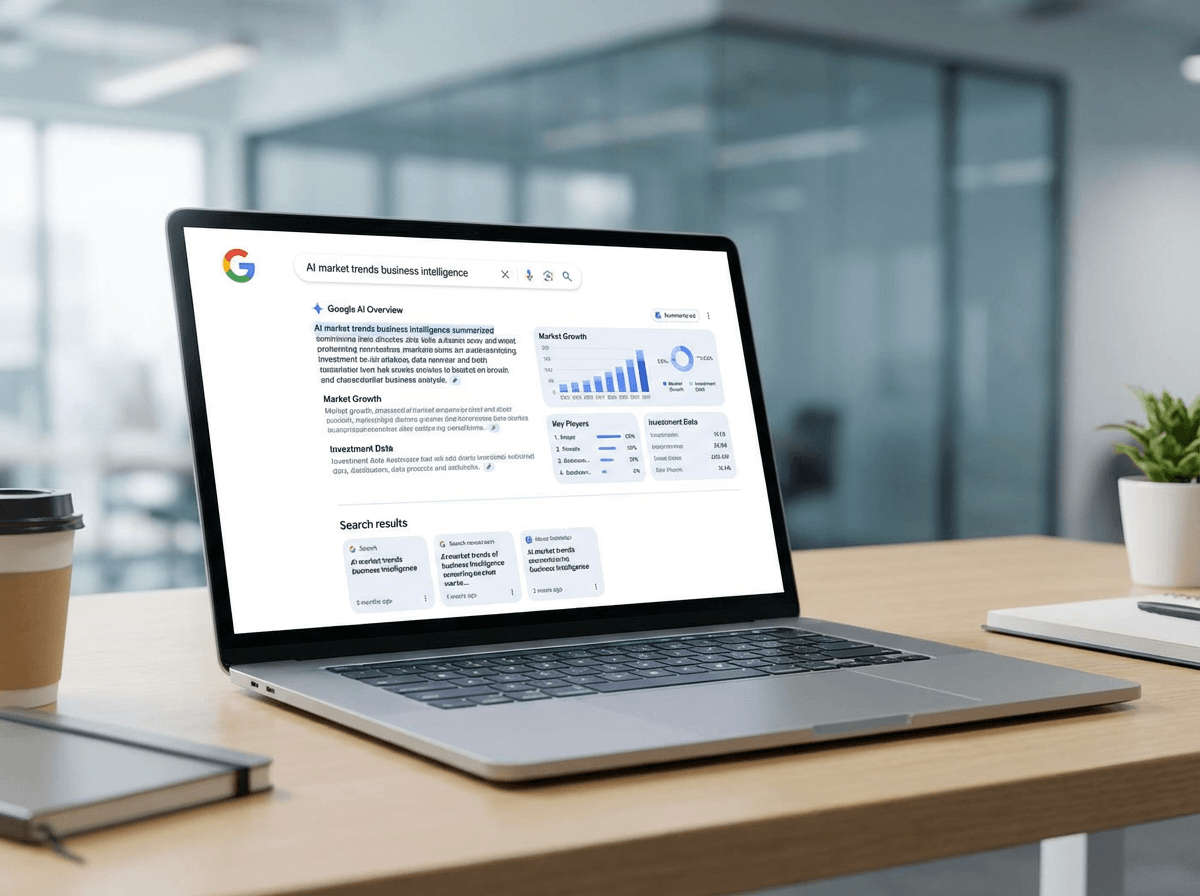
The most significant reputation management shift in 2026 is how AI-powered search engines surface and synthesize information about your business. Traditional SEO focused on ranking individual web pages. AI search engines like Google's AI Overviews, ChatGPT, and Perplexity synthesize information from multiple sources into single, authoritative-sounding responses.
Status Labs' analysis reveals that brands in the top 25% of web mentions receive 10 times more visibility in Google's AI summaries than lesser-mentioned competitors. If your business isn't prominently featured in the data these AI systems train on, you effectively don't exist for users relying on AI-generated answers.
Key Implications for Luxury Brands:
Volume of Quality Mentions Matters:AI systems prioritize brands with consistent, positive mentions across authoritative sources. A handful of reviews on Google isn't sufficient—you need presence across multiple platforms.
Recency Signals Authority:AI systems weight recent content more heavily than historical information. Your reputation management must be ongoing, not a one-time project.
Context and Sentiment Count:AI can understand nuanced sentiment, not just star ratings. Detailed positive reviews explaining why your service excels carry more weight than generic five-star ratings.
Source Authority Influences Prominence:Mentions in established publications, industry sites, and authoritative directories carry more weight than user-generated content alone.
The 8 Core Components of Reputation Management for Luxury Brands
1. Comprehensive Online Presence Monitoring
You cannot manage what you don't measure. Effective reputation management begins with comprehensive monitoring of every platform where your business might be discussed.
Essential Monitoring Platforms:
Review Sites:Google Business Profile, Yelp, Facebook, industry-specific platforms (Healthgrades for healthcare, Avvo for legal services, etc.)
Social Media:Instagram, Facebook, LinkedIn, Twitter/X, TikTok—anywhere your target audience congregates
News and Blogs:Google Alerts for brand mentions in news articles, blog posts, and editorial content
Forums and Communities:Reddit, Quora, industry-specific forums where your services might be discussed
AI Search Engines:Regular queries about your business in ChatGPT, Google AI Overviews, Perplexity to see what they surface
Reputation Management Tools for 2026:
According to The Digital Project Manager's analysis, leading reputation management platforms for luxury brands include:
Reputation.com:Enterprise-level solution with AI-powered sentiment analysis and comprehensive multi-platform monitoring
BirdEye:Excellent for multi-location businesses, strong Google Business Profile integration
ReviewTrackers:Focused on review aggregation and analysis across platforms
Podium:Strong for text-based customer communication and review generation
Sprout Social:Comprehensive social media monitoring with reputation features
For San Francisco Bay Area luxury businesses, invest in tools that provide real-time alerts, sentiment analysis, and competitive benchmarking so you can respond quickly and understand your reputation relative to competitors.
2. Strategic Review Generation
Positive reviews don't happen automatically—they require systematic generation strategies. Luxury businesses often hesitate to ask for reviews, fearing it appears desperate or undermines exclusivity. This is misguided. Thoughtfully requesting feedback signals confidence in your service quality.
Best Practices for Luxury Review Generation:
Timing Is Critical:Request reviews immediately following exceptional service experiences when satisfaction is highest. Wait too long and the emotional impact fades.
Make It Effortless:Provide direct links to your Google Business Profile, specific review platforms, or unified review pages where clients can choose their preferred platform.
Personalize the Request:Generic "please review us" emails get ignored. Reference the specific service provided and express genuine interest in their experience.
Use Multiple Touchpoints:A single email request is insufficient. Follow up with text messages (for clients who've opted in), in-person requests, and automated sequences.
Incentivize Ethically:While you cannot pay for positive reviews, you can incentivize the act of reviewing. "Leave a review and receive a complimentary lens cleaning kit" is acceptable; "leave a 5-star review for a discount" violates platform policies.
Implementation for Bay Area Luxury Brands:
Create automated review request sequences triggered 48 hours after service completion. Personalize with client name, specific service received, and staff member who served them. Include direct links to Google, Yelp, and Facebook review pages with simple instructions.
For premium service appointments, have staff personally request reviews at service conclusion: "We'd be honored if you'd share your experience on Google. Your feedback helps other clients discover us and helps us continue improving."
3. Professional Response Strategy
How you respond to reviews—both positive and negative—profoundly impacts reputation.Vendasta's AI review response research shows that businesses responding to reviews see higher customer retention and improved local search visibility.
Responding to Positive Reviews:
Express Genuine Gratitude:Thank clients specifically for their time and feedback
Personalize Your Response:Reference specific details from their review to demonstrate you actually read it
Reinforce Brand Values:Subtly incorporate brand messaging about quality, service, or expertise
Invite Continued Relationship:Welcome them back and mention related services they might appreciate
Example Response:"Thank you so much, Jennifer, for your thoughtful review! We're delighted the new progressive lenses are working perfectly for your design work—precision vision is essential for creative professionals like yourself. Maria will be thrilled to hear how much you appreciated her patient guidance through frame selection. We look forward to seeing you at your six-month checkup, and please reach out if you'd like to explore our new blue-light filtering options for extended screen work."
Responding to Negative Reviews:
Respond Promptly:Within 24 hours demonstrates you take feedback seriously
Acknowledge Feelings:Validate their experience without necessarily agreeing with their interpretation
Take Responsibility:Own mistakes clearly; explain misunderstandings respectfully
Offer Solutions Publicly:Outline how you'll address the issue, but move detailed discussions offline
Demonstrate Process Improvement:When appropriate, explain how their feedback will improve operations
Example Response:"Thank you for sharing your experience, Michael. I sincerely apologize that your appointment didn't meet the standards we set for ourselves. The extended wait time and communication issues you described are not reflective of the experience we strive to provide. I've personally reached out via email to discuss how we can make this right and ensure this doesn't happen to any other client. Your feedback has already prompted a review of our scheduling and communication processes."
Never:
Argue with reviewers or become defensive
Dismiss legitimate concerns as outliers
Blame staff publicly
Violate client confidentiality by discussing details
Leave negative reviews unanswered (silence implies acceptance)
4. Content Creation and Thought Leadership
Proactive content creation positions your brand favorably in the information ecosystem that AI search engines draw from. Instead of reacting to what others say about you, create authoritative content that shapes the narrative.
Strategic Content Pillars for Luxury Brands:
Educational Content:Answer common questions your target audience searches for, establishing expertise
Success Stories:Case studies and client testimonials (with permission) demonstrating transformation and value
Behind-the-Scenes:Content showcasing craftsmanship, process, and the expertise behind your service
Industry Commentary:Thought leadership on trends, innovations, and best practices in your field
Local Connection:Content connecting your brand to San Francisco Bay Area community, culture, and values
Content Formats That Build Reputation:
Blog Posts:In-depth articles demonstrating expertise on relevant topics
Video Content:Behind-the-scenes, educational tutorials, client testimonials
Social Media:Regular posting showcasing brand personality and values
Podcast Interviews:Appearing as expert guests on relevant podcasts
Speaking Engagements:Presenting at industry events or local business groups
Media Contributions:Op-eds, expert quotes, and interviews in relevant publications
For San Francisco Bay Area luxury businesses, create content that positions you as the authoritative local expert in your niche. When potential clients search for services, your educational content should appear prominently, pre-framing you as the trusted authority.
5. Social Media Reputation Management

Social media serves dual reputation functions: proactive brand building and reactive issue management.Thryv's 2026 reputation checklist emphasizes that modern reputation software must centralize social media monitoring alongside review platforms.
Proactive Social Media Reputation Building:
Consistent Brand Voice:Maintain sophisticated, professional tone aligned with luxury positioning across all platforms
Visual Excellence:Every image and video should reflect the quality standards you deliver in service
Value-First Content:Educate and inspire rather than constantly promoting services
Engagement and Community:Respond to comments, acknowledge mentions, build genuine relationships
Strategic Hashtags:Use location-based (#SanFranciscoOptical) and niche (#LuxuryEyewear) hashtags for discoverability
Reactive Social Media Issue Management:
Monitor Brand Mentions:Track both tagged posts and untagged mentions of your business name
Respond to Concerns Quickly:Public complaints on social media require rapid response—ideally within hours
Move Detailed Discussions Private:Acknowledge publicly, then invite detailed conversation via DM or phone
Never Delete Criticism:Unless it's spam or violates community guidelines, deleting negative comments creates worse PR
Demonstrate Pattern of Excellence:Regular positive content creates context that isolated negative posts are exceptions
6. Google Business Profile Optimization
Your Google Business Profile (GBP) is arguably your single most important reputation asset. It appears prominently in local search results, Google Maps, and AI-generated summaries.Shapo's Google review management guide emphasizes that GBP optimization dramatically impacts local search visibility and conversion.
Essential GBP Optimization Elements:
Complete Every Field:Business name, categories, services, attributes, hours, service areas, products—fill everything
Professional Photos:Exterior, interior, team, products/services in action—minimum 10 high-quality images
Regular Posts:Weekly updates about services, offers, events, or educational content
Accurate Information:Ensure phone, website, hours are current and match citations across the web
Service Descriptions:Detailed descriptions of every service you offer with relevant keywords
Q&A Management:Proactively answer common questions in the Q&A section
Review Response:Reply to every review personally and thoughtfully
Performance Metrics to Track:
Search impressions and click-through rate
Direction requests and website visits
Phone call volume from profile
Review volume and average rating
Photo views and engagement
San Francisco Bay Area businesses benefit enormously from GBP optimization because local search intent is exceptionally high. When someone searches "luxury eyewear San Francisco," your optimized GBP can appear prominently with reviews, photos, and information driving immediate contact.
7. Crisis Management and Response Protocols

Despite best efforts, reputation crises will occasionally occur. The difference between minor setbacks and business-ending disasters is having documented response protocols ready for immediate deployment.
Creating Your Crisis Response Plan:
Define Crisis Triggers:What situations warrant crisis response? Major negative press? Multiple negative reviews in short time? Social media backlash?
Establish Response Team:Who is responsible for each aspect of crisis response? Who has approval authority?
Create Response Templates:Pre-written framework statements that can be quickly customized
Designate Spokesperson:Who communicates publicly on behalf of the business?
Document Escalation Process:When does leadership get involved? At what point do you engage legal counsel or PR specialists?
Crisis Response Best Practices:
Respond Quickly:Silence allows narrative to be defined by others
Acknowledge the Issue:Don't minimize or dismiss legitimate concerns
Take Responsibility:Own mistakes clearly; explain misunderstandings respectfully
Outline Corrective Action:Describe specifically how you're addressing the problem
Follow Through Publicly:Update stakeholders on actions taken and outcomes
Learn and Improve:Use crises as opportunities to strengthen operations
According to Jing Daily's luxury crisis management analysis, today's consumers serve as jury on brand behavior, and emotional intelligence provides the best defense. Luxury brands that respond to crises with empathy, transparency, and demonstrated commitment to improvement emerge with reputations intact or even enhanced.
8. Competitive Reputation Benchmarking
You cannot evaluate your reputation in isolation—it must be assessed relative to competitive alternatives. Systematic competitive analysis reveals both vulnerabilities to address and opportunities to exploit.
Key Competitive Reputation Metrics:
Review Volume:How many total reviews do competitors have across platforms?
Average Rating:What's their overall star rating, and how does it trend over time?
Response Rate:What percentage of reviews do they respond to, and how quickly?
Sentiment Analysis:Beyond star ratings, what's the emotional tone of reviews?
Content Volume:How much thought leadership content are they producing?
Social Media Engagement:Follower counts, engagement rates, content quality
AI Search Visibility:What appears when you query AI search engines about their business versus yours?
Leveraging Competitive Insights:
Identify competitors' reputation weaknesses and position your strengths as direct contrasts. If competitors have poor response rates to reviews, emphasize your responsiveness. If their reviews cite poor communication, highlight your concierge-level client service in marketing.
Similarly, identify competitors' reputation strengths and either match or differentiate. If they excel at educational content, you must produce comparable quality or position your expertise in a distinct niche where you clearly dominate.
The Role of AI in Reputation Management
AI-Powered Reputation Tools for 2026
Artificial intelligence has transformed reputation management from reactive monitoring to proactive prediction and optimization.Erase.com's AI tools analysis identifies key AI capabilities revolutionizing reputation work:
Sentiment Analysis:AI can analyze review text to identify emotional patterns, emerging concerns, and satisfaction drivers beyond simple star ratings
Predictive Analytics:Machine learning identifies reputation trends before they become visible to humans, enabling proactive intervention
Automated Response Generation:AI can draft personalized review responses at scale while maintaining brand voice consistency
Competitive Intelligence:AI monitors competitor reputation metrics continuously, alerting you to opportunities and threats
Content Optimization:AI tools suggest content topics and optimize existing content for maximum reputation impact
For San Francisco Bay Area Luxury Brands:
Implement AI-powered reputation management platforms that provide:
Real-time alert systems for negative reviews or social media mentions
Automated sentiment tracking across all platforms
AI-assisted response drafting that you review and personalize before posting
Competitive benchmarking dashboards showing your reputation relative to key competitors
Predictive analytics identifying reputation trends requiring attention
The key is using AI to augment—not replace—human judgment. AI identifies issues and suggests responses, but luxury brand reputation management requires the emotional intelligence and nuanced understanding that only humans provide.
Measuring Reputation Management ROI
Reputation management requires consistent investment. Justifying that investment demands demonstrating measurable business impact.
Key Reputation Metrics to Track:
Review Metrics:
Total review volume across platforms
Average star rating (overall and by platform)
Review response rate and average response time
Review acquisition rate (new reviews per month)
Ratio of positive to negative reviews
Search Visibility:
Google Business Profile impressions and actions
Brand name search volume and trends
Ranking for reputation-sensitive searches ("[business name] reviews")
Appearance in AI-generated search summaries
Business Impact:
Lead volume from online sources
Conversion rate of web/phone inquiries
Customer acquisition cost trends
Client lifetime value for online-sourced customers
Employee application volume and quality
Sentiment and Perception:
Net Promoter Score (NPS) trends
Brand sentiment analysis across platforms
Share of positive mentions vs. competitors
Social media engagement metrics
For Luxury Brands:
Track the correlation between reputation improvements and business outcomes. When you increase review volume by 50% and average rating from 4.2 to 4.6 stars, how does lead volume, conversion rate, and revenue change? Quantifying these relationships demonstrates reputation management ROI and justifies continued investment.
Reputation Management Challenges and Solutions
Challenge 1: Negative Reviews from Unreasonable Clients
Solution:Respond professionally regardless of review fairness. Third-party observers evaluate your response more than the complaint itself. Demonstrate grace under pressure, take high road consistently, and trust that reasonable people will recognize unreasonable complaints.
Challenge 2: Fake or Competitor-Generated Reviews
Solution:Report suspicious reviews to platforms with documentation supporting your case. Most platforms remove clear violations. In your response, professional note that you have no record of this client and have reported the review, but avoid accusatory language.
Challenge 3: Review Platforms Where You Can't Respond
Solution:Create content on platforms you control (blog, social media) addressing common criticisms. When potential clients search your brand, ensure they find your perspective alongside third-party reviews.
Challenge 4: Low Review Volume Despite Quality Service
Solution:Systematize review generation with automated email sequences, staff training to request reviews personally, and making the process effortless with direct links. Consider incentivizing the act of reviewing (not specific ratings).
Challenge 5: Inconsistent Brand Representation Across Platforms
Solution:Create comprehensive brand guidelines and audit all platforms quarterly. Ensure consistent business information (NAP: name, address, phone), visual branding, messaging, and service descriptions everywhere your brand appears.
Challenge 6: Staff Resistance to Review Requests
Solution:Train staff on why reviews matter, provide scripts making requests comfortable, and potentially incentivize review generation (e.g., bonuses tied to review volume increases).
Case Study: Luxury Optical Practice Reputation Transformation
A San Francisco Bay Area luxury optical practice partnered with Lens on Luxury to overhaul its reputation management in early 2026. Initial situation:
Challenges:
23 total Google reviews with 4.1-star average
Minimal presence on other platforms
No systematic review generation
Inconsistent response to reviews
Weak content presence
Limited social media activity
Strategy Implemented:
Deployed automated review request system
Trained staff on personal review requests
Implemented 24-hour review response protocol
Launched monthly blog content strategy
Activated consistent social media posting
Optimized Google Business Profile completely
Results After Six Months:
127 total Google reviews with 4.8-star average
Established presence on Yelp (32 reviews, 4.7 stars)
95% review response rate within 24 hours
8 published blog posts ranking for local searches
300% increase in social media engagement
43% increase in new client inquiries citing "found you online"
28% increase in conversion rate from initial inquiry to appointment
This demonstrates how intentional reputation management for luxury businesses delivers measurable business impact beyond vanity metrics.
Taking Action: Your Reputation Management Implementation Plan
Week 1-2: Audit and Assessment
Document current review presence across all platforms
Analyze sentiment and common themes in existing reviews
Audit all business listings for accuracy and consistency
Benchmark against top 3 competitors
Identify reputation gaps and opportunities
Week 3-4: Foundation Building
Optimize Google Business Profile completely
Claim and optimize listings on all relevant platforms
Implement reputation monitoring tools
Create review response templates
Develop review generation system
Month 2: Process Implementation
Train staff on review requests and reputation importance
Launch automated review request sequences
Begin systematic review response
Create social media posting calendar
Plan content strategy addressing common questions
Month 3+: Optimization and Scaling
Analyze which review generation methods work best
Increase content production cadence
Expand to additional platforms based on results
Refine messaging based on engagement data
Build systematic competitive monitoring
For San Francisco Bay Area Luxury Brands:
Reputation management is not optional—it's foundational to sustained business success in 2026's AI-driven marketplace. The practices that thrive over the next decade will be those that recognized reputation as strategic asset requiring deliberate cultivation, not accidental byproduct of service quality.
About the Author
Tracey Bauer is the founder of Lens on Luxury, specializing in AI-powered digital marketing for luxury small businesses. With 32 years of optical industry experience and extensive training in marketing automation, Tracey helps San Francisco Bay Area businesses implement sophisticated reputation management strategies that drive measurable results. Her approach combines deep luxury market understanding with cutting-edge technology to create systems that feel personal, premium, and effortlessly effective.
Ready to transform your luxury brand's reputation into a powerful competitive advantage?Lens on Luxury specializes in helping San Francisco Bay Area luxury businesses develop comprehensive reputation management systems that attract ideal clients and drive sustained growth. Contact us today to explore how we can elevate your digital reputation.
FAQ SECTION
How long does it take to improve a business's online reputation?
Meaningful reputation improvement typically requires 3-6 months of consistent effort. You'll see initial momentum within 4-6 weeks as new reviews accumulate and response rates improve, but establishing strong competitive reputation positioning requires sustained commitment. The timeline depends on starting point, review generation volume, and consistency of implementation.
Should luxury brands respond to every review?
Yes. Responding to every review—positive and negative—demonstrates attentiveness, professionalism, and commitment to client experience. Response rates directly correlate with consumer trust and search engine visibility. Even simple thank-you responses to positive reviews show prospective clients that you value feedback and maintain active engagement with your community.
How do you handle fake or malicious reviews?
First, report the review to the platform with documentation supporting your case (no record of this client in your system, impossible service date, etc.). Most platforms remove clear violations. Second, respond professionally without becoming defensive, noting you have no record of this client and have reported the review for investigation. Third-party observers evaluate your professionalism more than the complaint itself.
What reputation management tools should small businesses use?
For San Francisco Bay Area luxury businesses, consider:BirdEye for comprehensive multi-platform management, Podium for text-based review generation,ReviewTrackers for review aggregation and analysis, or Sprout Social for social media monitoring with reputation features. Google Alerts and Google Business Profile monitoring are essential free tools every business should use regardless of paid platform adoption.
How many reviews does a business need?
More reviews signal credibility and provide buffer against occasional negative feedback. Aim for minimum 50+ reviews on Google as baseline credibility threshold. However, ongoing review generation matters more than total count—businesses actively generating 4-8 new reviews monthly demonstrate current relevance and client satisfaction, which consumers weight heavily in decisions.
Can you remove negative reviews?
Legitimate negative reviews cannot be removed except by the reviewer or platform (if they violate policies). However, strategic review generation dilutes negative reviews' impact by surrounding them with positive feedback. One negative review among five total is devastating; the same review among 100+ positive reviews becomes statistical outlier. Focus on generating positive reviews rather than removing negative ones.
How does reputation management affect SEO?
Reputation directly impacts local SEO through multiple factors: review volume and rating influence local pack rankings, review content provides relevant keyword signals, consistent NAP (name, address, phone) across platforms strengthens local authority, and user engagement signals (reviews, Q&A, posts) demonstrate business relevance. AI search engines increasingly factor reputation signals into visibility determinations.
What's the most important platform for reputation management?
Google Business Profile is the single most critical platform for most local businesses due to its prominence in search results and Google Maps. However, platform importance varies by industry—healthcare businesses must manage Healthgrades, restaurants need Yelp presence, and professional services require LinkedIn optimization. Identify platforms your target audience uses for research and prioritize those alongside Google.