Netflix-Style AI Video Series for Optical Brand Growth
What if your optical brand's social media content kept viewers clicking 'next episode' like they do on Netflix? In 2026, the most successful eyewear brands and optometry practices aren't just posting random Reels—they're creating serialized video content that builds anticipation, develops memorable characters, and drives exponential growth. Across North America, forward-thinking optical marketers are leveraging AI-powered video series to achieve 10x increases in views, transforming casual scrollers into devoted brand followers. This isn't theory—it's a proven strategy that's reshaping how the optical industry approaches digital marketing, from luxury eyewear boutiques in Manhattan to independent optometry practices in Vancouver.
Ready to transform your optical brand's social strategy?Lens on Luxury specializes in AI-powered content creation and multi-platform SEO for eyewear brands and optometry practices across North America. Let's build your binge-worthy series together.
The Netflix Effect: Why Series-Based Content Is Dominating Optical Marketing
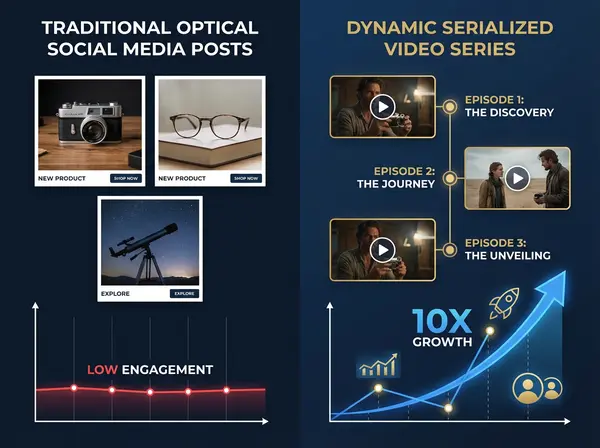
The optical industry has traditionally relied on static product shots and educational infographics. But in 2026, that approach is leaving engagement on the table. When eyewear brands across North America started experimenting with serialized video content—think multi-part stories featuring recurring AI-generated characters—they discovered something remarkable: viewers don't just watch one video; they binge entire series.
This phenomenon mirrors what Netflix perfected with television: the story arc. Instead of standalone content that exists in isolation, successful optical marketers are now creating interconnected narratives. A luxury eyewear brand might develop a character who explores different frame styles across a five-part series, with each episode ending on a cliffhanger that drives viewers to the next installment.
The data speaks volumes. Brands implementing serialized AI video strategies are seeing average view counts increase by 10x compared to their previous standalone content. More importantly, they're building something money can't buy: genuine audience investment. When viewers care about what happens next in your story, they're not just consuming content—they're joining a community around your optical brand.
For optometry practices and eyewear retailers throughout North America, this represents a seismic shift. The question is no longer 'Can we afford to invest in video content?' but rather 'Can we afford not to create binge-worthy series that keep our audience coming back?'
The AI Advantage: How Character-Driven Storytelling Transforms Optical Content
Creating traditional video content has always been resource-intensive for optical brands. Between hiring videographers, scheduling talent, and managing production costs, many eyewear companies and optometry practices simply couldn't compete with larger corporations' content budgets. AI has fundamentally changed that equation.
With AI-powered video generation tools, optical marketers can now create consistent, character-driven narratives without the traditional production overhead. These aren't generic animations—we're talking about sophisticated, relatable characters that resonate with your target audience. An optical brand might develop 'Dr. Iris,' an AI-generated optometrist who guides viewers through eye health topics across a 10-part series, or 'Style Scout Sophie,' a fashion-forward character who explores trending eyewear styles across North American markets.
The key to success lies in character consistency and story architecture. Unlike random posts that compete for attention in isolation, a well-designed character becomes a recognizable brand asset. When viewers see your character appear in their feed, they already know what to expect—and more importantly, they're primed to engage.
What makes AI particularly powerful for the optical industry is the speed of iteration. If a character or storyline isn't resonating with your audience, you can pivot within days rather than waiting months for a new production cycle. This agility is transforming how eyewear brands and optometry practices approach content strategy, allowing them to test, learn, and scale what works.
7 Essential Elements of a Viral AI Video Series for Optical Brands
After analyzing dozens of successful optical marketing campaigns across North America and implementing this strategy personally to achieve 10x growth, I've identified seven non-negotiable elements that separate viral series from forgettable content:
1. Memorable Character Design
Your AI-generated characters must be visually distinct and emotionally relatable. For optical brands, this might mean creating characters that embody your ideal customer—whether that's a style-conscious professional seeking designer frames or a parent researching children's vision care. The character becomes the thread that ties your entire series together.
2. Story Arc Structure
Netflix doesn't release random episodes—each installment builds toward something larger. Your optical video series should follow the same principle. Map out a narrative journey before creating a single video. Will your character discover different lens technologies across five episodes? Will they explore eyewear trends from different decades? The arc keeps viewers coming back.
Here's a real example of how this works in practice:
https://www.instagram.com/reel/DV7hwr0EdIB/?igsh=NTc4MTIwNjQ2YQ==
This demonstrates the power of consistent character development across a series—notice how the narrative builds viewer investment episode by episode.
3. Cliffhanger Endings
The most powerful tool in serialized content is the strategic cliffhanger. Each video should end with a question or tease that makes viewers eager for the next installment. For an optometry practice, this might be 'But wait until you see what Dr. Iris discovers about blue light protection...' These hooks drive engagement and create anticipation.
4. Consistent Visual Identity
Your AI video series needs instant recognizability. Use consistent color palettes, fonts, and visual styles across all episodes. When viewers see that specific aesthetic in their feed, they should immediately associate it with your optical brand—even before reading the caption.
5. Platform-Specific Optimization
What works on Instagram Reels differs from YouTube Shorts. Successful optical brands create series that respect each platform's unique culture and technical requirements. Instagram favors fast-paced, visually stunning content, while YouTube rewards slightly longer narratives with stronger search optimization.
6. Strategic Release Schedule
Binge-worthy doesn't mean releasing everything at once. Strategic spacing—whether that's daily releases for a week or weekly installments over a month—keeps your optical brand consistently visible in followers' feeds while building anticipation between episodes.
7. Community Engagement Hooks
The best video series invite participation. Ask viewers to comment their predictions, vote on what happens next, or share their own experiences related to the episode's theme. For eyewear brands, this might mean asking followers to share photos of their current frames or vote on which style the character should try next.
From Strategy to Execution: Building Your First Optical Video Series
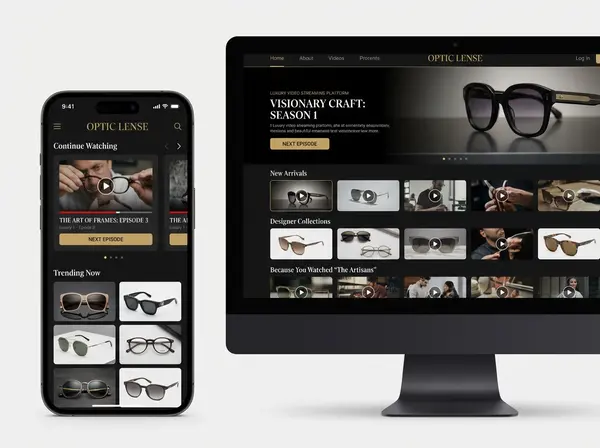
Theory is meaningless without execution. Here's exactly how to translate these principles into a functioning video series for your optical brand—whether you're a luxury eyewear boutique or an independent optometry practice serving communities across North America.
Start with audience research. Who are you trying to reach, and what keeps them scrolling? For optical marketers, this might mean identifying whether your ideal viewer is seeking style inspiration, eye health education, or solutions to specific vision challenges. Your series concept should directly address their core interests.
Next, develop your character profile. Give your AI-generated persona a name, background, and personality. Are they sophisticated and knowledgeable like a seasoned optician, or approachable and curious like someone discovering eyewear fashion for the first time? This character becomes your brand's storytelling vehicle.
Map your content calendar with precision. A successful series might look like this: Episode 1 introduces the character and establishes the central question. Episodes 2-4 explore different facets of that question, each building tension or curiosity. Episode 5 provides satisfying resolution while teasing a potential sequel series. For an eyewear brand, this could translate to a five-part exploration of frame materials, with each episode diving deep into a specific option—acetate, titanium, wood, metal, and innovative bio-materials.
https://www.instagram.com/reel/DV3W_CnkRxJ/?igsh=NTc4MTIwNjQ2YQ==
See how strategic character development and story pacing creates content that audiences genuinely want to follow.
Leverage AI tools strategically. Rather than treating AI as a magic button, use it as a production accelerator. Draft your scripts, design your characters, and plan your visual style before generating a single frame. The AI handles the time-consuming production work, but your optical marketing expertise guides the creative vision.
Test, measure, and iterate. Launch your first series as a pilot. Track completion rates, engagement patterns, and audience feedback. Which episodes performed best? Where did viewers drop off? This data becomes your roadmap for series two, three, and beyond.
Case Study: How AI Video Series Drove 10x Growth and Secured Major Brand Deals
Let me share what happened when I personally implemented this exact strategy. Prior to creating serialized AI video content, my optical marketing content followed industry standards—polished product features, educational posts, occasional behind-the-scenes glimpses. Engagement was respectable but plateaued.
Then I made a strategic shift: instead of random posts, I began developing story-driven video series featuring memorable AI-generated characters. Each series followed a clear narrative arc, with episodes designed to keep viewers clicking through to the next installment. The results weren't gradual—they were explosive.
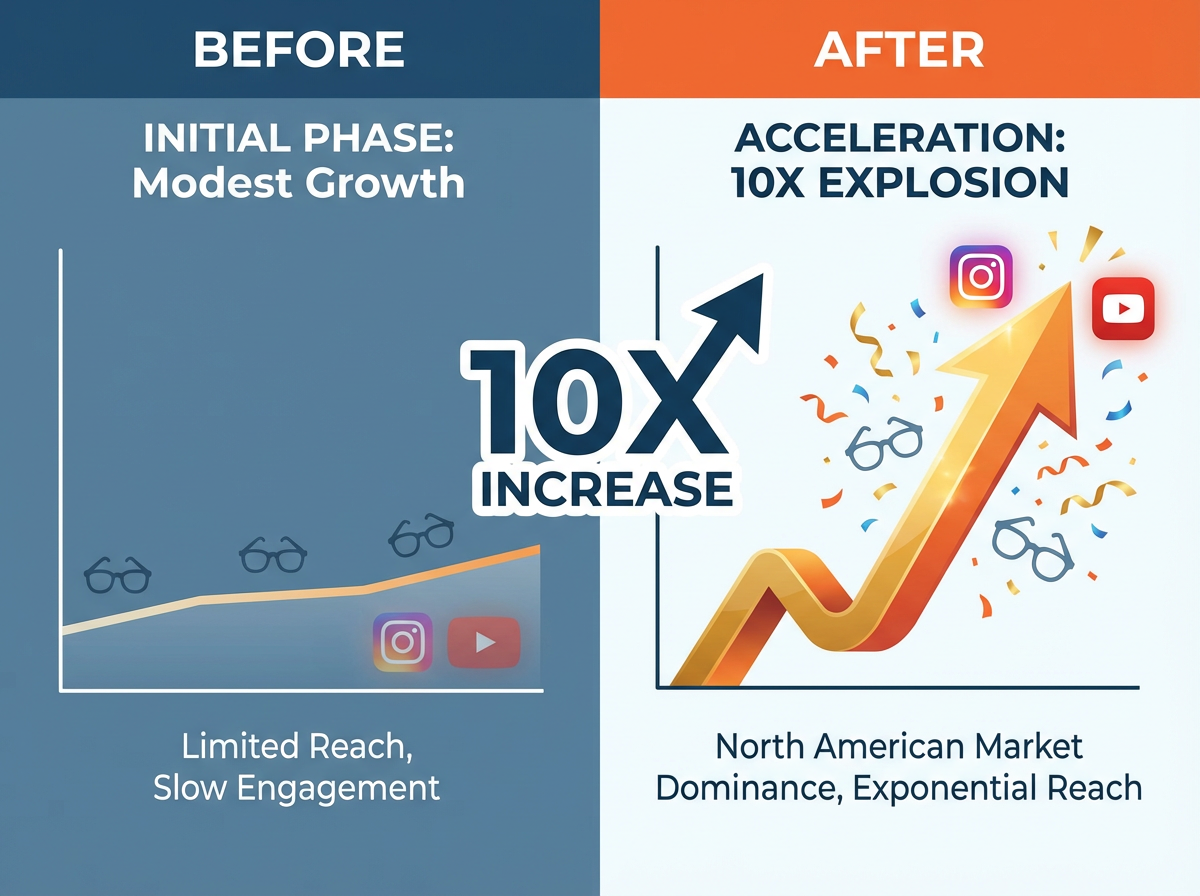
View counts increased by 10x within the first series launch. But more significantly, the quality of engagement transformed. Rather than passive scrollers, I was building an invested audience that anticipated new releases, commented their predictions, and shared episodes within their networks. This wasn't vanity metrics—it was genuine community building.
The business impact extended beyond social statistics. As the series gained traction across Instagram and YouTube, brand recognition soared. That visibility translated directly into opportunities—specifically, multiple large brand partnership deals that simply wouldn't have materialized through traditional content approaches. Brands across North America's optical industry were noticing the innovative approach and wanted to collaborate.
What made this particularly powerful for optical marketing was the authority it established. By consistently delivering valuable, entertaining content through a series format, I positioned myself not just as another marketer, but as a thought leader reshaping how eyewear brands and optometry practices approach digital strategy in 2026.
The lesson for optical brands is clear: serialized, AI-powered video content isn't experimental anymore—it's the new competitive baseline for brands serious about growth.
Seeing results like these isn't luck—it's strategy.If you're ready to move beyond random posts and build systematic content that drives real growth for your optical brand, explore how Lens on Luxury's proven frameworks can accelerate your success.
10 AI-Generated Character Ideas That Work Perfectly for Optical Brands
Not sure what character might resonate with your optical audience? Here are ten proven archetypes that eyewear brands and optometry practices across North America have successfully implemented:
1. The Frame Detective
A character who investigates the perfect frame for different face shapes, lifestyles, and style preferences. Each episode explores a new 'case' with specific client needs, building expertise while entertaining viewers.
2. The Vision Historian
Takes viewers on journeys through eyewear evolution—from monocles to smart glasses. Educational content wrapped in storytelling makes complex optical history accessible and shareable.
3. The Lens Scientist
Explains technical aspects of lens technology through experiments and demonstrations. Particularly effective for optometry practices wanting to build authority around specialized lens solutions.
4. The Style Navigator
Explores eyewear fashion trends, celebrity frames, and seasonal looks. Perfect for luxury optical boutiques targeting fashion-conscious consumers across North American markets.
5. The Eye Health Guardian
Addresses common vision concerns, preventive care, and eye health myths. Builds trust while positioning your optometry practice as a caring educational resource.
6. The Frame Artisan
Showcases craftsmanship behind premium eyewear—materials, manufacturing processes, and quality indicators. Elevates perceived value for luxury optical brands.
7. The Virtual Try-On Expert
Demonstrates how different frames transform appearances, offering practical styling advice. High shareability as viewers tag friends seeking eyewear guidance.
8. The Sports Vision Specialist
Focuses on eyewear for active lifestyles—skiing, cycling, swimming, running. Captures niche audiences while demonstrating specialized product knowledge.
9. The Budget-Conscious Shopper
Helps viewers maximize value, understand insurance benefits, and make smart eyewear investments. Removes price anxiety while building trust with cost-conscious consumers.
10. The Kids' Vision Advocate
Educates parents about children's eye health, school vision screenings, and selecting durable, age-appropriate frames. Targets a high-value demographic for optical practices.
https://www.instagram.com/reel/DVLfp-mkb0n/?igsh=NTc4MTIwNjQ2YQ==
This example shows how character-driven content creates deeper engagement than traditional product-focused posts.
Platform Strategy: Optimizing Your Series for Instagram Reels vs. YouTube
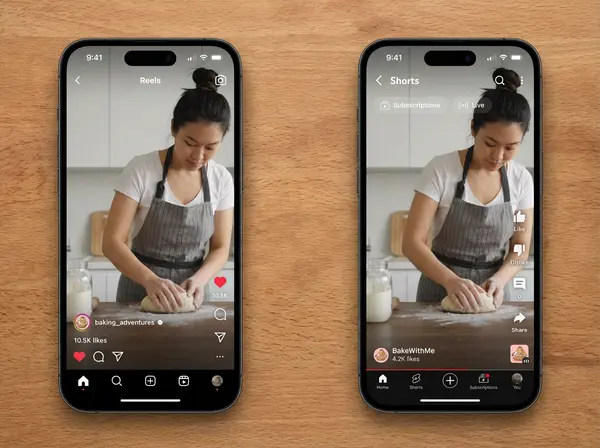
Creating brilliant content means nothing if it's not optimized for where your audience actually watches. Successful optical marketers in 2026 understand that Instagram Reels and YouTube Shorts require distinct approaches, despite both being short-form video platforms.
Instagram Reels thrives on visual immediacy and rapid pacing. Your optical video series on this platform should grab attention within the first second—think bold text overlays, striking visuals of eyewear, or an immediately intriguing question. The Instagram algorithm rewards watch-through rate and shares, so each episode should be tightly edited with zero dead space. For eyewear brands, this might mean 30-60 second episodes that deliver one powerful idea per installment.
Instagram also offers unique serialization tools. Use the 'Add Yours' sticker to create community participation, link episodes together through strategic tagging, and leverage Instagram Stories to tease upcoming installments. The platform's emphasis on discovery means each episode should function both as part of a series and as a standalone piece that can attract new viewers.
YouTube Shorts, conversely, operates within a broader content ecosystem. While the Shorts themselves are brief, they exist alongside your long-form content and can serve as trailers for deeper dives. Optical brands can create Shorts series that tease comprehensive topics covered in full-length videos, driving viewers to your channel for the complete experience.
YouTube's search functionality is also critical. Unlike Instagram's primarily algorithmic discovery, YouTube viewers actively search for solutions. Optimize your optical video series titles and descriptions with keywords like 'best frames for round faces' or 'progressive lens adjustment tips' to capture search traffic alongside algorithmic distribution.
The linking strategy differs too. On Instagram, you're building sequential viewing within the app itself. On YouTube, successful optical marketers create playlists that automatically queue the next episode, mimicking Netflix's 'up next' functionality that keeps viewers engaged with your content.
For maximum impact across North America's diverse optical markets, create platform-specific versions rather than simply cross-posting. The extra effort translates to substantially better performance on both platforms.
Measuring Success: Metrics That Actually Matter for Optical Video Series
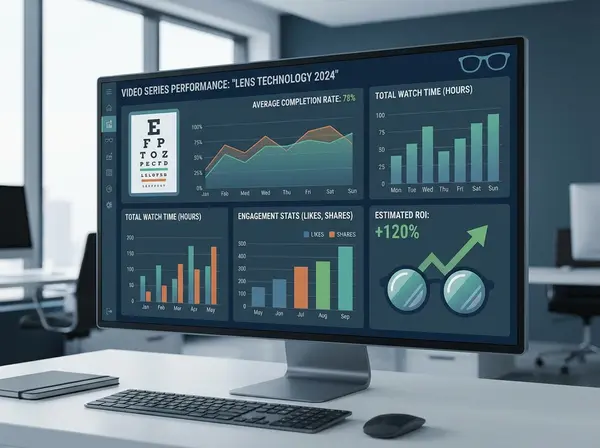
Vanity metrics like view counts feel good, but they don't necessarily correlate with business growth for optical brands. After implementing AI video series across multiple campaigns, I've identified the metrics that genuinely predict success and ROI.
Series Completion Rate is your north star metric. What percentage of viewers who start episode one finish the entire series? High completion rates indicate compelling content that maintains engagement. For optical brands, completion rates above 60% suggest you've created genuinely binge-worthy content rather than disconnected posts.
Average Watch Time reveals whether your storytelling resonates. If viewers consistently drop off at the same point across episodes, that's valuable feedback about pacing or content relevance. Successful optical video series maintain watch times above 85% of total video length.
Save Rate indicates perceived value. When optometry practices and eyewear brands create truly useful content, viewers save it for future reference or to share with others. A save rate above 3% suggests your series delivers actionable insights beyond mere entertainment.
Comment Sentiment and Depth reveals engagement quality. Are viewers asking questions about your optical products or services? Are they tagging friends who need eyewear? Are they sharing their own experiences? Rich comments signal genuine interest that can translate to customer relationships.
Traffic to Website/Profile is where social engagement meets business results. Use UTM parameters to track how many series viewers visit your optical practice's booking page or browse your eyewear collection. This connection between content consumption and business action justifies continued investment.
Brand Search Volume shows whether your series increases overall brand awareness. Monitor whether searches for your optical brand name increase during and after series launches—a clear indicator that you're building recognizable presence across North American markets.
Don't obsess over comparing your optical brand's metrics to lifestyle influencers or entertainment accounts. Focus instead on comparing your series performance to your previous standalone content. The goal is continuous improvement in engagement and business outcomes specific to the optical industry's unique customer journey.
Overcoming Common Obstacles: What Optical Marketers Get Wrong About AI Video Series

Despite the proven results, many eyewear brands and optometry practices hesitate to implement serialized AI video strategies. Let's address the most common misconceptions and obstacles holding optical marketers back.
'My audience won't engage with AI-generated content.'This concern evaporates when execution is strong. Viewers don't care whether your character is AI-generated or human-filmed—they care whether the content entertains, educates, or inspires them. Focus on storytelling quality, not production method. The optical industry has successfully used animation and illustration for decades; AI characters are simply the next evolution.
'I don't have time to create a whole series.'This misses the efficiency point. AI video tools actually reduce production time compared to traditional content creation. Once you've established your character and visual style, generating subsequent episodes takes a fraction of the time required for custom photoshoots or videography. Many successful optical marketers batch-create entire series in a single focused session.
'Series content won't work for my specific optical niche.'I've seen successful series implementations across every optical segment—from luxury independent boutiques showcasing artisan frames to high-volume practices educating patients about common vision conditions. The format adapts to any niche; what matters is tailoring your character and storyline to your specific audience's interests.
'What if viewers don't follow the series in order?'Design for both linear and non-linear viewing. Each episode should reward series followers with continuity while remaining comprehensible to first-time viewers. Include brief context at the beginning ('In our last episode, we explored...') and design episodes around modular concepts that deliver value independently.
'AI tools are too expensive or complicated.'Multiple accessible platforms now offer AI video creation at price points suitable for independent optical practices. The learning curve is steeper than basic photo editing, but substantially easier than traditional video production. Most optical marketers report proficiency within two weeks of regular practice.
The real obstacle isn't technical or financial—it's mindset. Optical brands that view content as an expense rather than an investment will always struggle with serialized strategies. Those that recognize video series as audience-building infrastructure find ways to make it work regardless of constraints.
The Future of Optical Marketing Is Here
The optical industry stands at a crossroads. Brands that embrace serialized AI video strategies today will dominate their markets tomorrow. Those who continue posting random content will watch their competitors build engaged, loyal audiences that translate directly to business growth.
Across North America, forward-thinking eyewear brands and optometry practices are already seeing the results: 10x increases in social engagement, explosive follower growth, and most importantly, strengthened connections with their ideal customers. The technology has arrived. The playbook has been proven. The only question is: will your optical brand be among the early adopters who reap the rewards, or among the laggards playing catch-up in 2027?
The choice is yours. But remember: every day you wait is a day your competitors are building audiences, establishing authority, and securing the brand partnerships that could have been yours.
The optical industry's content landscape is evolving rapidly. Brands that embrace serialized AI video strategies today will dominate their markets tomorrow.Contact Lens on Luxury to discover how custom GPTs, workflow automation, and strategic content creation can transform your eyewear brand or optometry practice into a social media powerhouse.
Frequently Asked Questions
How long should each episode be in an optical video series?
For Instagram Reels, aim for 30-60 seconds per episode to maximize completion rates. YouTube Shorts perform well between 45-90 seconds. The key is maintaining tight pacing without filler content. Optical brands should prioritize delivering one clear idea per episode rather than cramming multiple concepts into longer videos that lose viewer attention.
Do I need expensive AI tools to create video series for my eyewear brand?
No. Multiple accessible AI platforms offer video creation capabilities at various price points, from free tiers to professional subscriptions under $100/month. The investment in strategy and storytelling matters more than tool cost. Many successful optical marketers start with mid-tier tools and upgrade as their series gains traction and proves ROI.
How many episodes should my first optical video series include?
Start with 5-7 episodes for your pilot series. This length is substantial enough to test whether your concept resonates with viewers, but not so long that you're overcommitted if adjustments are needed. Successful optometry practices and eyewear brands often launch quarterly series, with each season exploring a distinct theme relevant to their audience.
Can AI video series work for small independent optical practices in North America?
Absolutely. AI tools actually level the playing field, allowing independent practices to create content quality that rivals corporate chains—without the production budgets. Small optical practices often outperform larger competitors because they can create more authentic, personality-driven characters that resonate with local communities across North American markets.
How do I measure ROI on optical video series content?
Track both social metrics (completion rate, saves, shares) and business outcomes (website traffic, appointment bookings, product inquiries). Use UTM parameters to connect series views directly to conversions. Successful optical brands typically see measurable impact within 2-3 series launches as they refine their approach and build audience familiarity.
Should my eyewear brand's video series be educational or entertaining?
The most successful optical video series blend both. Entertainment captures attention and builds audience investment, while education delivers value that viewers remember and share. Aim for a 70/30 split favoring whichever aligns with your brand positioning—luxury eyewear might lean entertaining, while clinical optometry might emphasize education.
How often should I release episodes in my optical video series?
Consistency matters more than frequency. Whether daily for a week-long intensive series or weekly for a month-long arc, maintain your chosen schedule reliably. Most successful optical brands find that 2-3 episodes per week balances audience anticipation with sustainable content production, particularly when serving diverse North American time zones.
What if my optical brand's first video series doesn't perform well?
Analyze the data, identify specific weak points, and iterate. Low completion rates suggest pacing issues. Poor discoverability indicates optimization gaps. Minimal engagement might mean the topic doesn't resonate with your optical audience. Every series—successful or not—provides insights that strengthen your next launch. Persistence and adaptation separate growing optical brands from stagnant ones.