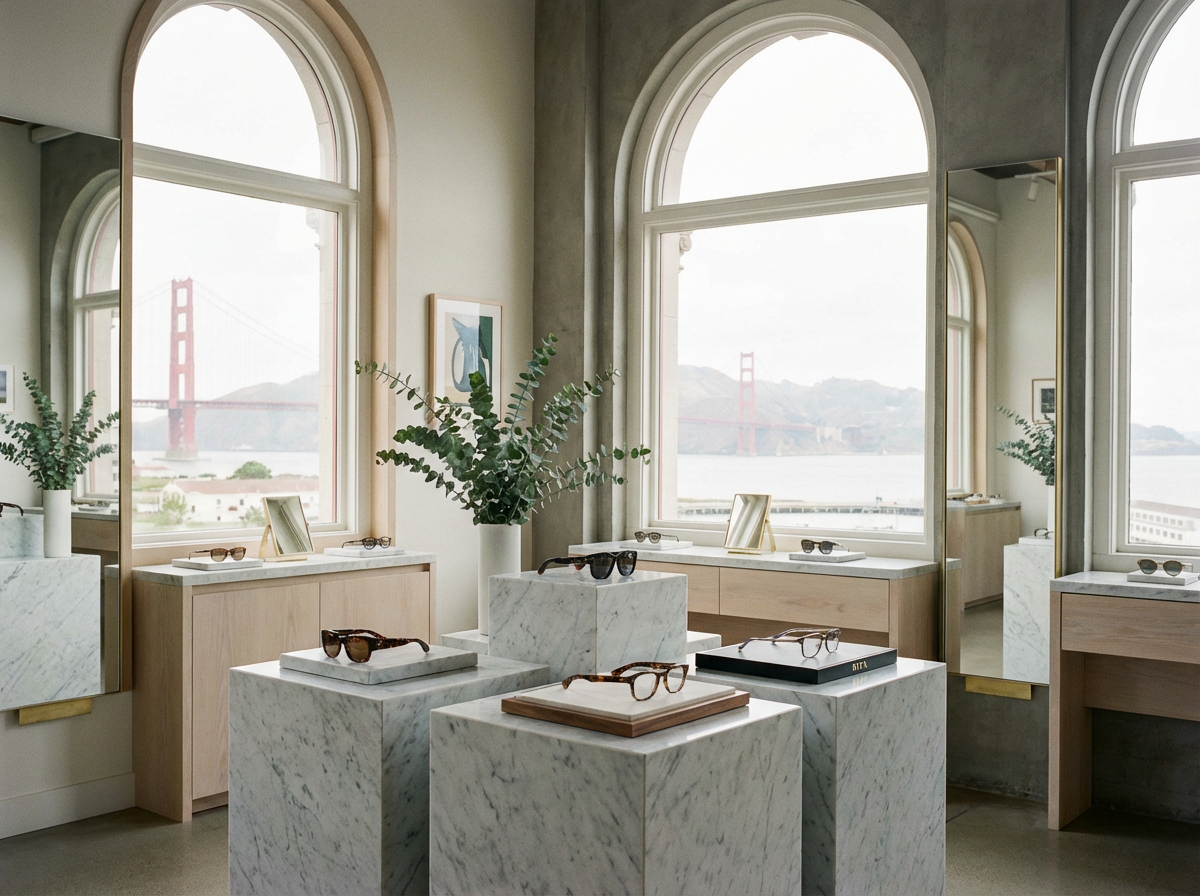
Luxury Optical Consumer Insights 2026: Trends & Influences
The luxury optical market is experiencing a fundamental transformation in 2026, driven by technological innovation, shifting generational preferences, and evolving definitions of exclusivity. For San Francisco Bay Area optical practices and high-end eyewear retailers, understanding what influences affluent consumers has never been more critical to sustained success.
The luxury eyewear market is projected to reach $285.44 billion by 2032, growing at a 6.7% CAGR, according to 20/20 Magazine's industry analysis. This growth is fueled by consumers who view eyewear not merely as vision correction but as essential personal statements reflecting identity, values, and lifestyle aspirations.
What separates thriving luxury optical businesses from struggling competitors in 2026? Deep understanding of the psychological, technological, and cultural factors driving purchase decisions among discerning clients. This comprehensive guide explores the key influences shaping luxury eyewear consumer behavior and provides actionable strategies for connecting with this sophisticated audience.
1. AI-Powered Personalization: The New Standard for Luxury

Personalization has evolved from a competitive advantage to an essential expectation among luxury optical consumers in 2026. Today's affluent clients expect every interaction—from initial discovery to post-purchase service—to acknowledge their unique preferences, lifestyle, and aesthetic sensibilities.
The AI Revolution in Luxury Eyewear
Business of Fashion reportsthat AI-powered personalization is fundamentally reshaping how luxury eyewear brands engage customers. Smart eyewear with integrated AI, multi-modal sensors, and adaptive personalization represents the convergence of fashion and technology that defines 2026 consumer expectations.
Leading San Francisco Bay Area optical practices are implementing AI-driven systems that:
Track Individual Style Preferences:Machine learning algorithms analyze past purchases, browsing behavior, and social media activity to predict frame preferences with remarkable accuracy.
Provide Virtual Try-On Experiences:Advanced augmented reality lets clients visualize hundreds of frame options instantly, filtered by face shape, skin tone, and personal style profile.
Customize Frame Recommendations:AI suggests specific models based on prescription requirements, lifestyle activities, and aesthetic preferences rather than generic "you might also like" suggestions.
Personalize Communication:Email marketing automation delivers content tailored to individual client interests—whether that's craftsmanship stories, new collection previews, or lens technology innovations.
How Bay Area Luxury Optical Practices Leverage This Trend:
Implement comprehensive CRM systems that capture detailed client preference data at every touchpoint. Use AI-powered marketing automation to send hyper-personalized communications that feel bespoke, not algorithmic. Invest in virtual try-on technology that integrates seamlessly with your e-commerce platform.
Most importantly, train your team to use technology as a tool for enhancing—never replacing—the personal consultation experience that defines luxury service. The goal is augmented personalization: technology enabling staff to deliver even more sophisticated, individualized recommendations.
2. The Redefinition of Sustainable Luxury
Sustainability has transcended trend status to become a fundamental value among luxury consumers in 2026, particularly within the influential Gen Z demographic projected to represent 30% of luxury purchases by 2030, according to Shopify's luxury trends report.
Beyond Greenwashing: Authentic Sustainability Commitments
Forbes reports that proof-led sustainability is among the six unmissable forces shaping consumer behavior in 2026. Affluent consumers demand transparency, third-party verification, and measurable environmental impact—not marketing platitudes.
Today's luxury optical consumer evaluates:
Material Sourcing:Biodegradable acetates, recycled precious metals, plant-based alternatives, and responsibly harvested natural materials.
Manufacturing Processes:Energy-efficient production facilities, waste reduction systems, and water conservation initiatives documented with third-party certifications.
Supply Chain Transparency:Full visibility into manufacturing origins, labor practices, and environmental impact at every production stage.
Circular Economy Participation:Take-back programs, repair services, and frame recycling initiatives that extend product life cycles.
Corporate Social Responsibility:Meaningful charitable partnerships, community investment, and social impact initiatives beyond token donations.
How Bay Area Luxury Optical Practices Leverage This Trend:
Curate collections from brands with documented sustainability commitments and share these stories prominently. Create content that educates clients about sustainable materials and manufacturing processes—positioning yourself as an expert guide to conscious luxury consumption.
Develop your own sustainability initiatives: frame donation programs, lens recycling services, or partnerships with environmental organizations aligned with your brand values. Document and communicate impact transparently through annual sustainability reports or regular updates.
San Francisco Bay Area consumers particularly value environmental stewardship. Highlight local frame designers using sustainable practices and emphasize how choosing quality eyewear over fast-fashion alternatives represents the most sustainable consumption pattern.
3. Smart Eyewear and Technology Integration
The boundary between luxury fashion eyewear and functional technology has effectively dissolved in 2026.CNBC's analysis of Luxottica's Meta collaboration reveals how major luxury eyewear manufacturers are integrating audio playback, photography, real-time translation, and AI assistance into fashionable frames.
The Smart Eyewear Revolution
Smart glasses adoption is accelerating dramatically in 2026, driven by improved styling, extended battery life, and genuinely useful functionality.GlassesUSA.com's 2026 Eyewear Trends Report identifies AI-powered eyewear as a defining category, moving from tech enthusiast niche to mainstream luxury accessory.
Luxury optical consumers now expect:
Seamless Technology Integration:Sophisticated electronics invisible within elegant frame designs that prioritize aesthetics over obvious tech features.
Voice Assistant Connectivity:Hands-free access to information, navigation, communication, and productivity tools through discreet audio systems.
Health and Wellness Monitoring:Biometric sensors tracking eye strain, UV exposure, posture, and activity levels integrated with health apps.
Prescription Smart Lenses:Advanced optics combining vision correction with digital displays, adaptive tinting, and blue light filtering.
Wireless Connectivity:Bluetooth integration with smartphones, computers, and smart home systems for frictionless device ecosystems.
How Bay Area Luxury Optical Practices Leverage This Trend:
Position yourself as the expert bridge between fashion and technology. Train staff comprehensively on smart eyewear functionality, app integration, and use cases so they can consultatively recommend appropriate solutions.
Create dedicated smart eyewear education content: video tutorials, comparison guides, and use-case scenarios that help clients understand value beyond novelty. Host exclusive smart eyewear demonstration events where clients can experience technology firsthand.
The San Francisco Bay Area's tech-savvy luxury consumers represent the perfect market for premium smart eyewear. Emphasize how these products integrate with their existing technology ecosystems while maintaining the sophisticated aesthetic they expect from luxury eyewear.
4. Emotional Storytelling and Brand Heritage
Luxury consumers don't purchase products—they invest in narratives that align with their identity and values. In 2026's increasingly commoditized marketplace, emotional connection and compelling brand storytelling separate memorable luxury brands from forgettable transactions.
The Power of Authentic Narrative
McKinsey's State of Fashion 2026emphasizes that as trade patterns and technology shift rapidly, emotional brand connection becomes the sustainable competitive advantage. Consumers seek brands offering not just products but meaning, heritage, and authentic values alignment.
Successful luxury optical brands in 2026 craft narratives around:
Artisan Craftsmanship:Detailed stories of frame makers, their techniques, training, and dedication to exceptional quality—humanizing the creation process.
Material Heritage:The history and unique properties of materials used—from Italian acetate traditions to Japanese titanium innovations.
Design Philosophy:The inspiration, creative process, and aesthetic principles guiding each collection's development.
Founder Vision:Personal stories of brand creators, their passion for eyewear, and the values driving business decisions.
Local Connection:For San Francisco Bay Area optical practices, emphasizing local roots, community involvement, and regional design sensibilities resonates powerfully.
How Bay Area Luxury Optical Practices Leverage This Trend:
Develop a comprehensive brand narrative that articulates your unique perspective on luxury eyewear. What do you stand for? What differentiates your curation? Why should clients trust your expertise?
Create content that brings your brand story to life: behind-the-scenes videos visiting frame manufacturers, interviews with designers, deep dives into craftsmanship techniques, and profiles of artisan brands you represent.
Train your team to be brand storytellers—not product pushers. Every frame should come with a story: its design inspiration, manufacturing process, or the values it represents. This transforms transactions into meaningful connections.
San Francisco's cultural sophistication and appreciation for artisan craftsmanship creates perfect conditions for heritage-focused storytelling. Emphasize craftsmanship, design integrity, and the human skill behind exceptional eyewear.
5. The Gen Z Influence: Exclusivity, Authenticity, and Social Validation

Generation Z's growing purchasing power is fundamentally reshaping luxury consumption patterns in 2026.Business of Fashion research reveals that Gen Z and Millennial customers cite exclusivity as a primary driver for luxury spending—11 percentage points above the average consumer.
Understanding the Gen Z Luxury Consumer
This demographic brings distinct values and behaviors to luxury markets:
Exclusivity Over Logo Visibility:Gen Z favors understated designs signaling insider knowledge over obvious branding. "Quiet luxury" aesthetics dominate their preferences.
Authenticity Demands:This generation has sophisticated greenwashing detectors. They demand genuine values alignment backed by transparent action and third-party verification.
Digital-First Discovery:Social media, particularly TikTok and Instagram, drives brand discovery and purchase intent more than traditional advertising or editorial coverage.
Social Proof Requirements:Online reviews, influencer endorsements, and user-generated content carry more weight than brand messaging or celebrity partnerships.
Experience Value:Gen Z prioritizes brands offering experiential value—exclusive events, personalized services, community building—beyond transactional retail.
How Bay Area Luxury Optical Practices Leverage This Trend:
Develop sophisticated social media strategies showcasing your expertise, curation philosophy, and client experience. Invest in professional content creation that feels authentic—not overproduced advertising.
Encourage and feature user-generated content from satisfied clients (with permission). Real customers wearing your frames in authentic contexts provide more powerful social proof than any brand messaging.
Create exclusive experiences for engaged clients: early access to new collections, private shopping events, designer meet-and-greets, or educational workshops about eyewear craftsmanship.
Cultivate relationships with micro-influencers and local style leaders aligned with your brand values. Their authentic endorsements reach Gen Z more effectively than traditional advertising.
The San Francisco Bay Area's concentration of young, affluent, tech-savvy professionals makes it ideal territory for Gen Z-focused luxury strategies that emphasize authenticity, exclusivity, and values alignment.
6. The "Quiet Luxury" Aesthetic Movement
One of the most influential trends shaping luxury optical in 2026 is the "quiet luxury" aesthetic—sophisticated design emphasizing quality, craftsmanship, and understated elegance over obvious branding or trend-driven styles.
The Rise of Timeless Sophistication
Vision Monday's trends analysis identifies natural milky colors—creamy neutrals, beige, sand, milk white, and taupe—as key 2026 palette choices, reflecting clean, quiet-luxury aesthetics. This represents a significant shift from bold, statement-making frames toward refined, versatile designs.
Luxury optical consumers in 2026 gravitate toward:
Timeless Silhouettes:Classic shapes that transcend seasonal trends, offering years of stylistic relevance rather than months.
Subtle Color Palettes:Sophisticated neutrals, translucent tones, and refined earth tones replacing bold brights and high-contrast patterns.
Material Quality Emphasis:Exceptional materials and finishing that communicate luxury through tactile experience and visual refinement rather than obvious branding.
Architectural Design:Clean lines, precise proportions, and thoughtful details that reward close inspection without demanding attention.
Versatile Functionality:Frames elegant enough for professional settings yet sophisticated for social occasions—supporting minimalist wardrobes.
How Bay Area Luxury Optical Practices Leverage This Trend:
Curate collections emphasizing timeless design over trendy styles. Position quiet luxury frames as intelligent investments—versatile pieces that remain relevant for years, ultimately offering superior value despite premium pricing.
Create content educating clients about design principles, material quality indicators, and craftsmanship details that distinguish exceptional frames from commodity products. Help them develop discernment.
Train staff to discuss longevity, versatility, and timeless style when presenting quiet luxury frames. Emphasize how these pieces transcend trend cycles, making them sustainable both environmentally and stylistically.
San Francisco's sophisticated consumer base particularly appreciates understated elegance and quality over ostentation. The Bay Area's tech elite and creative professionals favor the intelligent restraint of quiet luxury over flashy logo-driven alternatives.
7. Experiential Retail and Concierge-Level Service
As e-commerce efficiency increases, luxury optical consumers increasingly value in-person experiences that online shopping cannot replicate. The physical optical practice must offer compelling reasons for clients to visit beyond transactional necessity.
Creating Memorable Luxury Experiences
Successful luxury optical practices in 2026 San Francisco and the Bay Area differentiate through:
Comprehensive Visual Consultations:In-depth assessments combining lifestyle analysis, aesthetic preferences, and optical requirements to recommend truly optimal solutions.
Personalized Frame Curation:Pre-selecting 15-20 frames based on client profile rather than overwhelming them with hundreds of options requiring self-navigation.
Styling Expertise:Professional guidance on how frames complement face shape, coloring, personal style, and wardrobe to ensure confident selection.
Exclusive Brand Access:Carrying limited-production artisan brands unavailable through mass retailers or online channels.
Ongoing Relationship Management:Proactive outreach with new arrivals matching client preferences, maintenance reminders, and personalized recommendations.
How Bay Area Luxury Optical Practices Leverage This Trend:
Redesign your practice environment to feel like a private salon rather than retail space. Create intimate consultation areas that encourage extended, unhurried conversations about lifestyle, aesthetic preferences, and visual needs.
Train staff to be visual consultants—not salespeople. They should ask questions, listen deeply, and offer expert guidance rather than pushing product or closing transactions.
Implement CRM systems that track every client interaction, preference, and purchase, enabling truly personalized service that acknowledges their history with your practice.
Create exclusive experiences: after-hours shopping events, trunk shows with frame designers, educational workshops about lens technologies, or partnerships with complementary luxury brands for cross-promotional events.
San Francisco Bay Area clients expect exceptional service as baseline. Differentiate by offering experiences that feel genuinely bespoke and consultative rather than transactional retail.
8. The Digital-Physical Integration

The most successful luxury optical practices in 2026 seamlessly integrate digital convenience with in-person expertise—creating frictionless customer journeys that leverage strengths of both channels.
Omnichannel Luxury Experience
Modern luxury optical consumers expect:
Digital Research, Physical Purchase:Comprehensive online information enabling pre-visit research while reserving final selection and fitting for in-person expertise.
Virtual Consultations:Video appointments for initial discussions, follow-ups, or clients unable to visit physically, maintaining relationship continuity.
Online Appointment Booking:Frictionless scheduling through website or app rather than phone tag.
Digital Records Access:Client portal providing prescription history, frame preferences, and purchase records accessible anytime.
Integrated Communication:Seamless transitions between email, text, phone, and in-person interactions without requiring clients to repeat information.
How Bay Area Luxury Optical Practices Leverage This Trend:
Invest in robust website infrastructure providing comprehensive information: frame collections with detailed photos, brand stories, technology explanations, and staff profiles building familiarity before visits.
Implement online booking systems integrated with your practice management software for seamless scheduling and automatic appointment reminders.
Offer virtual consultations via Zoom or similar platforms for busy professionals who value convenience without sacrificing personal service.
Create client portals where customers access their complete vision history, prescription information, and personalized recommendations—adding convenience while demonstrating sophistication.
The San Francisco Bay Area's tech-forward consumer base expects digital sophistication from all businesses. Meeting these expectations while maintaining personal service warmth positions your practice as modern luxury rather than traditional retail.
Taking Action: Positioning Your Practice for 2026 Success
Understanding these consumer trends means nothing without implementation. Audit your current practice against these eight influences:
Personalization:Do you capture and leverage detailed client preference data, or treat every interaction as starting from zero?
Sustainability:Can you clearly articulate the environmental commitments of brands you carry and your own sustainability initiatives?
Technology Integration:Do you offer smart eyewear options and educate clients about their functionality?
Brand Storytelling:Do clients understand what makes your curation unique and why they should trust your expertise?
Gen Z Engagement:Is your social media presence sophisticated, authentic, and aligned with younger luxury consumers' values?
Quiet Luxury Options:Do you stock timeless, understated frames for clients seeking sophistication over trends?
Experiential Service:Does your practice offer compelling reasons to visit beyond transactional necessity?
Digital Integration:Can clients seamlessly move between online research and in-person service?
The luxury optical practices thriving in 2026 San Francisco and the Bay Area excel in multiple dimensions simultaneously—creating comprehensive luxury experiences that resonate with sophisticated, discerning clients.
About the Author
Tracey Bauer is the founder of Lens on Luxury, specializing in AI-powered digital marketing for luxury small businesses. With 32 years of optical industry experience and extensive training in marketing automation, Tracey helps San Francisco Bay Area businesses implement sophisticated marketing strategies that drive measurable results. Her approach combines deep luxury market understanding with cutting-edge technology to create marketing systems that feel personal, premium, and effortlessly effective.
Ready to position your luxury optical practice for sustained success in 2026 and beyond?Lens on Luxury specializes in helping San Francisco Bay Area optical practices implement AI-powered marketing automation, develop compelling brand narratives, and create exceptional client experiences.Contact us today to explore how we can transform your practice's digital presence and client engagement.
FAQ SECTION
What do luxury optical consumers value most in 2026?
Luxury eyewear consumers in 2026 prioritize personalization, sustainability authenticity, seamless technology integration, and emotional brand connection over price or convenience. They seek eyewear that reflects their values, lifestyle, and personal aesthetic while delivering exceptional quality and service. The purchase decision is driven by alignment between their identity and brand values, not simply functional need or status signaling.
How important is sustainability to luxury optical consumers?
Sustainability has become fundamental to luxury purchasing decisions, particularly among Gen Z consumers who will represent 30% of luxury spending by 2030. However, consumers demand proof-led sustainability with third-party verification rather than marketing claims. They evaluate material sourcing, manufacturing processes, supply chain transparency, and measurable environmental impact when assessing brands. Greenwashing is easily detected and severely damages brand credibility.
Are smart glasses becoming mainstream luxury products?
Yes. Smart eyewear is transitioning rapidly from tech enthusiast niche to mainstream luxury category in 2026. Major luxury eyewear manufacturers like Luxottica are partnering with technology companies to integrate audio, cameras, AI assistance, and health monitoring into fashionable frames. Consumers expect seamless technology integration that prioritizes aesthetics and maintains luxury styling rather than obvious tech features.
What is "quiet luxury" and why does it matter for eyewear?
Quiet luxury emphasizes understated elegance, exceptional quality, and timeless design over obvious branding or trend-driven styles. In eyewear, this translates to sophisticated neutral colors, classic silhouettes, architectural design, and refined materials that communicate luxury through craftsmanship rather than logos. This aesthetic appeals particularly to Gen Z and Millennial luxury consumers seeking exclusivity through insider knowledge rather than visible status symbols.
How can optical practices personalize experiences using AI?
AI enables luxury optical practices to track individual style preferences, predict frame recommendations based on past behavior, provide virtual try-on experiences, customize communication, and create personalized frame curation before appointments. The technology augments human expertise rather than replacing it—enabling staff to deliver even more sophisticated, individualized service based on comprehensive preference data and predictive analytics.
Why does brand storytelling matter for luxury optical?
Luxury consumers invest in narratives that align with their identity and values, not just products. Compelling brand stories about artisan craftsmanship, material heritage, design philosophy, and founder vision create emotional connections that transcend transactional relationships. Storytelling transforms commodity eyewear purchases into meaningful investments in brands representing values clients want associated with their identity.
What experiential elements should luxury optical practices offer?
Successful luxury optical practices create experiences beyond transactional retail: comprehensive visual consultations, personalized frame curation, professional styling expertise, exclusive brand access, after-hours shopping events, trunk shows with designers, educational workshops, and ongoing relationship management. These experiences justify in-person visits and command premium pricing in an era of e-commerce efficiency.
How are San Francisco Bay Area consumers different from other luxury markets?
Bay Area luxury consumers combine tech sophistication with environmental consciousness, favoring brands that demonstrate both digital excellence and authentic sustainability commitments. They value innovation, appreciate understated elegance over ostentation, and expect seamless integration between digital convenience and exceptional in-person service. The region's concentration of young, affluent professionals creates ideal conditions for Gen Z luxury strategies and smart eyewear adoption.