Answer Engine Optimization: The New Era of SEO
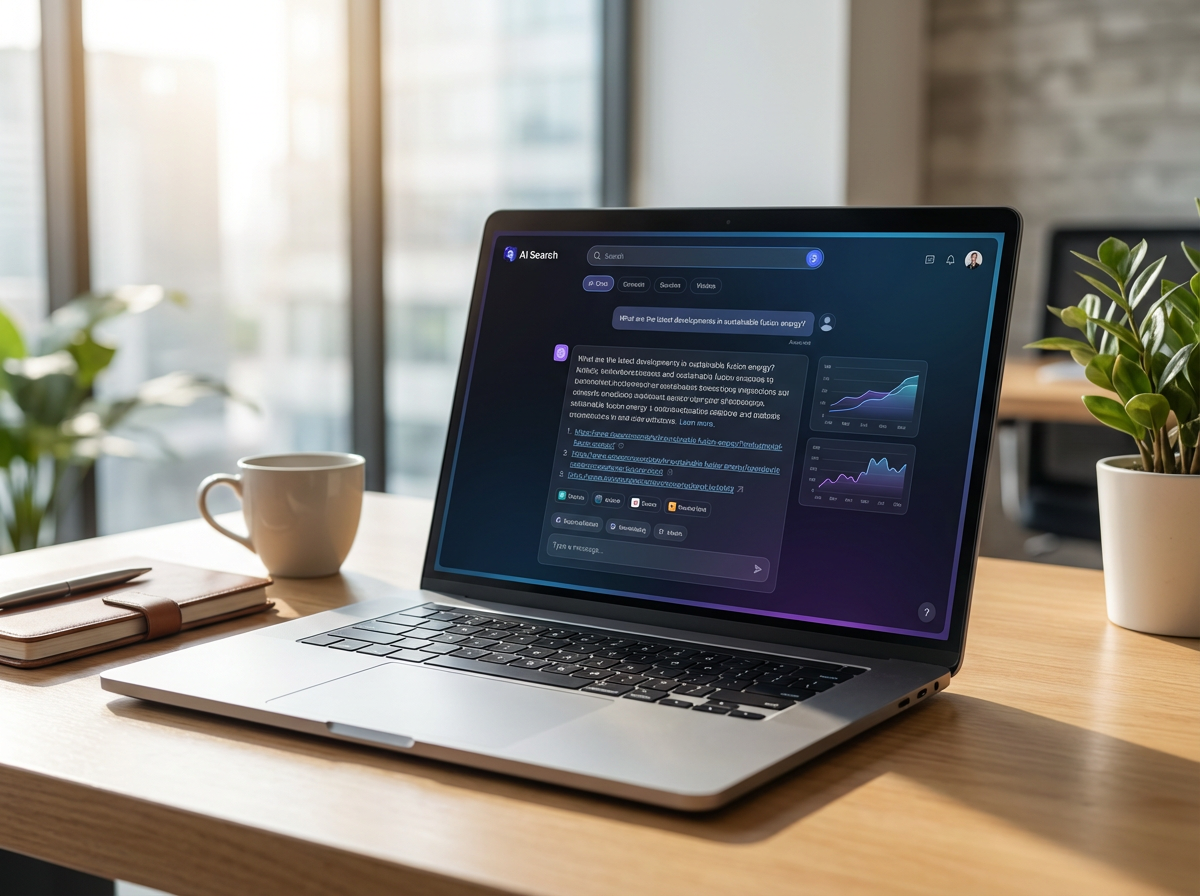
Search is dead. Long live search. While that pronouncement might seem contradictory, it captures the fundamental transformation reshaping how consumers discover businesses, products, and information online. Traditional search engines that deliver lists of blue links are rapidly giving way to answer engines—AI-powered systems that provide direct, conversational responses without requiring users to click through multiple websites. For luxury businesses in San Francisco and beyond, this shift from Search Engine Optimization (SEO) to Answer Engine Optimization (AEO) represents both existential threat and unprecedented opportunity. Understanding and adapting to this new paradigm determines whether your business remains visible or fades into algorithmic obscurity.
What Is Answer Engine Optimization and Why It Matters Now
Answer Engine Optimization represents the evolution from optimizing content to rank in search results to optimizing content to be selected as the definitive answer AI systems provide to user queries.
The Fundamental Shift in Search Behavior

From Links to Answers Traditional search engines present ten blue links per results page, requiring users to click, evaluate, and synthesize information from multiple sources. Answer engines—powered by large language models like ChatGPT, Google's Gemini, Perplexity, and Microsoft's Copilot—provide direct, comprehensive answers synthesized from multiple sources, often eliminating the need to visit websites at all Search Engine Journal.
The Zero-Click Reality Over 65% of Google searches now result in zero clicks, with users receiving answers directly from featured snippets, knowledge panels, or AI overviews without visiting any website. This percentage increases for straightforward informational queries—exactly the type luxury businesses rely on to establish expertise and attract discovery-phase prospects.
Voice and Conversational Search Dominance More than 50% of searches now occur through voice assistants (Siri, Alexa, Google Assistant) or conversational AI interfaces. These searches use natural language patterns dramatically different from typed keyword searches. "Best luxury optician San Francisco" becomes "Where can I find a luxury eyewear boutique in San Francisco that specializes in European designer frames?"
Why Luxury Businesses Must Adapt Immediately
Visibility Crisis If AI answer engines don't cite your business when answering relevant queries, you effectively don't exist for potential clients using these platforms. A San Francisco luxury interior designer invisible to ChatGPT when users ask for design recommendations loses opportunities to competitors who've optimized for AEO.
Authority Positioning When AI systems cite your business as a source, you gain implicit endorsement as an authoritative voice. This third-party validation carries more weight than self-promotion, establishing credibility with prospects who've never encountered your brand.
Future-Proofing Digital Presence Younger affluent consumers—the luxury market's future—already prefer conversational AI over traditional search engines. Optimizing for AEO now positions your business for sustained relevance as these preferences become universal.
How Answer Engines Actually Work: The Technical Foundation
Understanding AEO requires grasping how AI systems evaluate, extract, and synthesize information.
Large Language Models and Information Retrieval
Training vs. Real-Time Retrieval AI models combine two information sources: their base training data (knowledge acquired during initial training) and real-time retrieval from current web content. When users ask questions, models first consult training data, then supplement with fresh information retrieved from indexed websites. Your goal: ensure your content appears in both contexts.
Retrieval-Augmented Generation (RAG)Modern answer engines use RAG—retrieving relevant content from the web, then generating answers that synthesize multiple sources. The systems evaluate content based on relevance, authority, recency, and structure. Well-optimized content gets selected; poorly structured content gets ignored even if it contains valuable information.
Citation and Attribution LogicAnswer engines selectively cite sources based on perceived authority, information quality, and structural clarity. Being cited provides invaluable visibility and credibility. Understanding what triggers citation selection informs effective AEO strategy.
8 Essential Answer Engine Optimization Strategies for Luxury Brands
1. Structured Data Implementation: Speaking the Algorithm's Language

Search engines and AI systems can't "read" content the way humans do. Structured data markup translates your content into machine-readable format that algorithms understand unambiguously.
Schema.org Markup Essentials Implement JSON-LD structured data for all critical business information: organization details, local business data, products/services, articles, FAQs, reviews, and events. A San Francisco luxury jeweler should mark up business location, hours, services offered, product collections, and customer testimonialsSchema.org.
FAQ Schema for Direct Answers FAQ schema directly targets answer engine selection. Structure common questions and concise answers in both visible page content and schema markup. When AI systems search for answers to specific questions, properly marked-up FAQ content gets preferential selection.
Rich Results Eligibility Structured data makes your content eligible for rich results—enhanced search listings that include ratings, pricing, availability, and other detailed information. These enhanced listings increase visibility and click-through rates for traffic that does click through from traditional search.
2. Conversational Content Optimization: Matching Natural Language Patterns
AI-powered searches use natural, conversational language rather than stilted keywords. Your content must mirror this natural communication style.
Question-Based Content Structure Organize content around specific questions your target audience asks. Instead of a generic "Services" page, create comprehensive answers to "What should I expect during a luxury home staging consultation in San Francisco?" or "How do I choose the right designer eyewear for my face shape?"
Natural Language Integration Write as if directly answering a client's spoken question. Use complete sentences, conversational tone, and thorough explanations. Avoid keyword stuffing or awkward phrasing designed to game traditional SEO—answer engines penalize unnatural language that prioritizes algorithms over readers.
Long-Tail Query Targeting Focus on specific, detailed queries rather than broad keywords. "San Francisco luxury optical boutique specializing in sustainable European designer frames" targets a precise query that voice search users actually speak and AI systems can match accurately to your business.
3. Featured Snippet Optimization: Claiming Position Zero
Featured snippets—the answer boxes appearing above traditional search results—represent prime AEO real estate and frequently serve as source material for AI-generated answers.
Snippet-Worthy Content Formats Structure content specifically for snippet selection: concise definitions (40-60 words), numbered lists (5-8 items), comparison tables, step-by-step processes. These formats allow AI systems to extract and present information cleanly within answer interfaces.
Direct Answer Paragraphs Begin relevant sections with clear, self-contained answers suitable for extraction. If addressing "What makes luxury eyewear worth the investment?" provide a complete 2-3 sentence answer immediately before elaborating with supporting detail. This structure enables snippet extraction while maintaining comprehensive content.
The Inverted Pyramid Approach Present the most critical information first, then supporting details, then background context. This journalistic structure ensures that even if AI systems extract only the opening section, readers receive valuable, complete answers.
4. E-E-A-T Signals: Establishing Authority and Trust
Google's E-E-A-T framework (Experience, Expertise, Authoritativeness, Trustworthiness) increasingly influences both traditional search rankings and answer engine content selection Google Search Quality Guidelines.
Author Expertise Demonstration Clearly attribute content to named authors with verifiable credentials. Tracey Bauer's 32 years of optical industry experience provides E-E-A-T signals that generic "admin" authorship cannot. Include detailed author bios, credentials, and professional affiliations that establish subject matter expertise.
First-Hand Experience Indicators Showcase direct experience through case studies, client stories, original photography, and specific details that only hands-on practitioners would know. A San Francisco luxury interior designer describing specific challenges of Pacific Heights Victorian renovation demonstrates experience that theoretical content lacks.
External Validation and Citations Link to authoritative external sources supporting your claims. Cite industry research, academic studies, and respected publications. These citations signal thoroughness and intellectual honesty that AI systems reward. Simultaneously, earn backlinks from authoritative domains—these endorsements boost your own content's perceived authority.
5. Comprehensive Topic Coverage: Becoming the Definitive Resource
Answer engines favor comprehensive resources that thoroughly address topics over superficial content requiring users to consult multiple sources.
Pillar Content Development Create extensive, authoritative guides (2,000-4,000 words) that comprehensively address broad topics important to your audience. A luxury optical boutique might develop "The Complete Guide to Choosing Designer Eyewear in San Francisco" covering face shapes, lifestyle considerations, frame materials, lens technologies, designer brands, and boutique selection criteria.
Topic Cluster Architecture Structure your website around topic clusters: comprehensive pillar pages supplemented by detailed subtopic pages that explore specific aspects in depth. Link these pages together strategically, signaling to AI systems that you've covered topics thoroughly from multiple angles.
Question Anticipation and Answering Address not just obvious questions but follow-up queries users might have. After explaining luxury eyewear materials, anticipate "How do I care for acetate frames?" and "Are titanium frames worth the additional cost?" Comprehensive coverage keeps users engaged while providing AI systems with extensive, citable content.
6. Local AEO for San Francisco Luxury Businesses
Location-based queries represent crucial opportunities for luxury businesses serving specific geographic markets.
Hyper-Local Content Creation Create content addressing neighborhood-specific needs and contexts. Rather than generic "luxury home staging services," develop content around "Preparing Pacific Heights Victorian Homes for Sale," "Marina District Condo Staging Strategies," or "Russian Hill Penthouse Presentation." This specificity matches how potential clients actually search.
Google Business Profile Optimization Maintain a meticulously optimized Google Business Profile with accurate categories, comprehensive business description, high-quality photos, regular posts, and active review management. Answer engines frequently pull local business information directly from these profiles when responding to location-based queries.
Location-Specific Schema Markup Implement Local Business schema with precise geographic coordinates, service area definitions, and neighborhood associations. This structured data helps AI systems understand exactly where you operate and which local queries your business should answer.
7. Multimedia Content Integration: Beyond Text
Answer engines increasingly incorporate diverse content types—video, audio, images—into their responses, creating opportunities for multi-format visibility.
Video Content for YouTube and AI Platforms Create video content answering common questions in your niche. YouTube functions as both traditional search engine and training data source for AI models. Well-optimized video content can be cited by AI systems or appear in multimodal answer interfaces that blend text, images, and video.
Image Optimization for Visual Queries Use descriptive filenames, comprehensive alt text, and image schema markup. When AI systems respond to visual queries—"What do luxury optical boutiques look like?" or "Show me Pacific Heights interior design styles"—properly optimized images can appear in results, with your business cited as the source.
Podcast and Audio Content Transcribe podcast episodes and audio content, making them indexable by AI systems. Conversational formats naturally match voice search patterns, and transcripts provide rich, quotable content for answer engine selection.
8. User Intent Mapping: Providing Exactly What Searchers Seek
Effective AEO requires understanding not just what users ask but why they're asking and what they actually need.
Intent Classification Categorize queries by intent type: informational (seeking knowledge), navigational (finding specific destinations), transactional (ready to purchase), or commercial investigation (researching before buying). Create content precisely matched to each intent type rather than generic pages attempting to serve all purposes.
Journey Stage Alignment Map content to customer journey stages: awareness (discovering they have a need), consideration (evaluating options), and decision (choosing a provider). A prospect researching "signs you need new eyeglasses" requires different content than one searching "best luxury optician San Francisco."
Answer Completeness Provide complete, actionable answers that satisfy user intent without requiring additional searches. If someone asks "How much does luxury interior design cost in San Francisco?" provide specific price ranges, factors affecting cost, what's included, and how to evaluate value—everything needed to understand the topic comprehensively.
Measuring Answer Engine Optimization Success

Traditional SEO metrics don't fully capture AEO effectiveness. Track these indicators instead:
AI Platform Visibility
Citation Tracking Regularly query major AI platforms (ChatGPT, Perplexity, Google Gemini) with relevant questions to see if they cite your business. Create a baseline of 20-30 important queries and track citation frequency monthly. Increasing citations indicate improving AEO performance.
Brand Mention Monitoring Use tools like Mention or Brand24 to track when AI-generated content references your business across the web. Even uncited mentions indicate your content influences AI training data and real-time retrieval.
Share of Voice in AI Responses When multiple businesses get cited for the same query, calculate your "share of voice"—how frequently you're cited relative to competitors. This metric reveals competitive positioning within answer engine results.
Traditional Metrics with AEO Context
Featured Snippet Ownership Track how many featured snippets you own for target queries. Snippet ownership strongly correlates with AI answer engine citation, as both favor similarly structured, authoritative content.
Zero-Click Search PerformanceMonitor impressions vs. clicks in Google Search Console. High impressions with low clicks often indicate your content appears in AI Overviews or featured snippets—users get their answers without clicking. This isn't failure; it's successful AEO providing value while building brand awareness.
Branded Search VolumeTrack searches for your business name over time. Increasing branded searches indicate that AI platform citations and featured snippet appearances are successfully building brand awareness, even when users don't immediately click through to your website.
Common Answer Engine Optimization Mistakes
Avoid these pitfalls that undermine AEO effectiveness:
Over-Optimizing for Traditional Keywords
Keyword stuffing and unnatural phrasing that might have worked for traditional SEO actively harm AEO performance. AI systems detect and penalize content that prioritizes algorithmic manipulation over genuine value. Write naturally for humans first; algorithms will reward clarity and usefulness.
Ignoring Content Structure
Answer engines can't extract answers from walls of text. Without clear headings, logical organization, and structured formatting, even excellent information remains invisible to AI systems. Structure matters as much as content quality for AEO success.
Neglecting Content Freshness
AI systems favor recent content for time-sensitive queries. Outdated information gets ignored even if historically authoritative. Regularly update cornerstone content, add new publication dates, and refresh statistics, examples, and recommendations to maintain relevance.
Focusing Solely on Brand-Controlled Content
AEO extends beyond your website to include third-party mentions, reviews, media coverage, and guest contributions. Diversify your digital footprint across authoritative platforms in your niche. AI systems synthesize information from multiple sources; appearing across various trusted platforms increases citation probability.
The Future of Answer Engine Optimization
AEO continues evolving rapidly as AI technology advances and user behaviors shift.
Multimodal AI Responses
Future answer engines will seamlessly blend text, images, video, audio, and interactive elements in single responses. Optimize for this multimodal future by creating diverse content formats addressing the same core topics from different angles.
Personalized Answer Customization
AI systems increasingly personalize responses based on user context, history, and preferences. While you can't control personalization directly, comprehensive content covering multiple perspectives and use cases increases the likelihood your information matches various personalization scenarios.
Real-Time Information Integration
Answer engines will more aggressively incorporate real-time information—current pricing, availability, events, news. Maintain up-to-date business information across all platforms and implement structured data that allows AI systems to access and verify current details.
Preparing Your San Francisco Luxury Business for the AEO Era
The transition from traditional SEO to Answer Engine Optimization isn't optional—it's inevitable. Businesses that adapt early gain sustainable competitive advantages in visibility, authority, and client acquisition. Those that ignore this shift will find themselves increasingly invisible to potential clients who rely on AI-powered search.
Start with foundation elements: implement comprehensive structured data, reformat existing content around specific questions, optimize your Google Business Profile, and develop authoritative, well-structured content addressing your audience's most pressing questions. Build from this base, continuously refining based on which content AI systems select and cite.
Success requires patience and strategic thinking. Unlike viral social media that generates immediate attention spikes, effective AEO builds sustained visibility over months. Content optimized today may not show dramatic traffic increases immediately but will continue attracting qualified prospects for years as AI systems increasingly reference and cite your expertise.
The businesses that thrive in this new era understand that AEO isn't about gaming algorithms—it's about becoming genuinely useful, authoritative resources that AI systems confidently recommend to users seeking solutions you provide. When you focus on delivering comprehensive, well-structured, authoritative answers to real questions, both algorithms and humans reward you with trust, visibility, and ultimately, business growth.
Ready to optimize your luxury business for answer engines?Tracey Bauer and the Lens on Luxury team specialize in AI-powered SEO and AEO strategies for San Francisco Bay Area luxury brands.Visit LensOnLuxury.com to discover how strategic optimization can ensure your business remains visible in the age of AI-powered search.
About the Author
Tracey Bauer is the founder of Lens on Luxury, specializing in AI-powered digital marketing for luxury small businesses. With 32 years of optical industry experience and extensive training in marketing automation, Tracey helps San Francisco Bay Area businesses implement sophisticated social media strategies that drive measurable results. Her approach combines deep luxury market understanding with cutting-edge technology to create marketing systems that feel personal, premium, and effortlessly effective.
Frequently Asked Questions
What's the difference between SEO and AEO? SEO optimizes content to rank highly in search engine results pages where users click through to websites. AEO optimizes content to be selected as the direct answer AI systems provide, often without requiring users to visit websites. AEO focuses on structured data, conversational language, comprehensive answers, and content formats that AI systems can easily extract and cite.
Do I still need traditional SEO if I optimize for AEO? Yes. AEO and SEO complement rather than replace each other. Traditional SEO remains important for capturing clicks from users who prefer traditional search interfaces and for the significant traffic still generated through conventional search results. Many AEO strategies—quality content, authoritative backlinks, technical optimization—also benefit traditional SEO. Pursue both simultaneously for comprehensive visibility.
How long does it take to see AEO results? AEO typically requires 3-6 months to show measurable impact. AI systems need time to crawl updated content, recognize new structured data, and incorporate changes into their knowledge bases. Featured snippet capture may occur faster (4-8 weeks), while consistent AI platform citations often take 4-6 months of sustained optimization effort.
Can small luxury businesses compete with large brands for AEO? Absolutely. AEO actually favors smaller businesses with specialized expertise over generic large brands. When AI systems seek specific, authoritative answers about niche topics like "luxury eyewear care" or "San Francisco Pacific Heights interior design," specialized boutiques with detailed, expert content outcompete generic corporate content. Focus on depth and specificity rather than breadth.
What structured data should luxury businesses prioritize? Start with Organization, LocalBusiness, FAQ, Product (if applicable), and Article schema. These foundational types cover most luxury business needs. As you expand, add Review, Event, BreadcrumbList, and service-specific schema types. Implement JSON-LD format for all structured data as it's preferred by search engines and easier to maintain.
How do I optimize for voice search specifically? Write in natural, conversational language matching how people actually speak. Target question-based queries (who, what, where, when, why, how). Create content answering specific questions concisely. Optimize for local search with detailed location information. Ensure fast page loading and mobile responsiveness since most voice searches occur on mobile devices.
Should San Francisco luxury businesses focus on local or general AEO? Prioritize local AEO first. Hyper-local content addressing neighborhood-specific needs (Pacific Heights, Marina District, Nob Hill) attracts the highest-value prospects—affluent local clients ready to engage. Once local optimization is solid, expand to broader topics that establish national thought leadership while maintaining local relevance and citations.
How often should I update content for AEO effectiveness? Update cornerstone content quarterly at minimum, refreshing statistics, examples, and recommendations. Add new sections addressing emerging questions or trends. Publish new content weekly if possible—consistency signals authority to AI systems. Completely refresh older posts annually to maintain relevance and freshness signals that favor AEO selection.